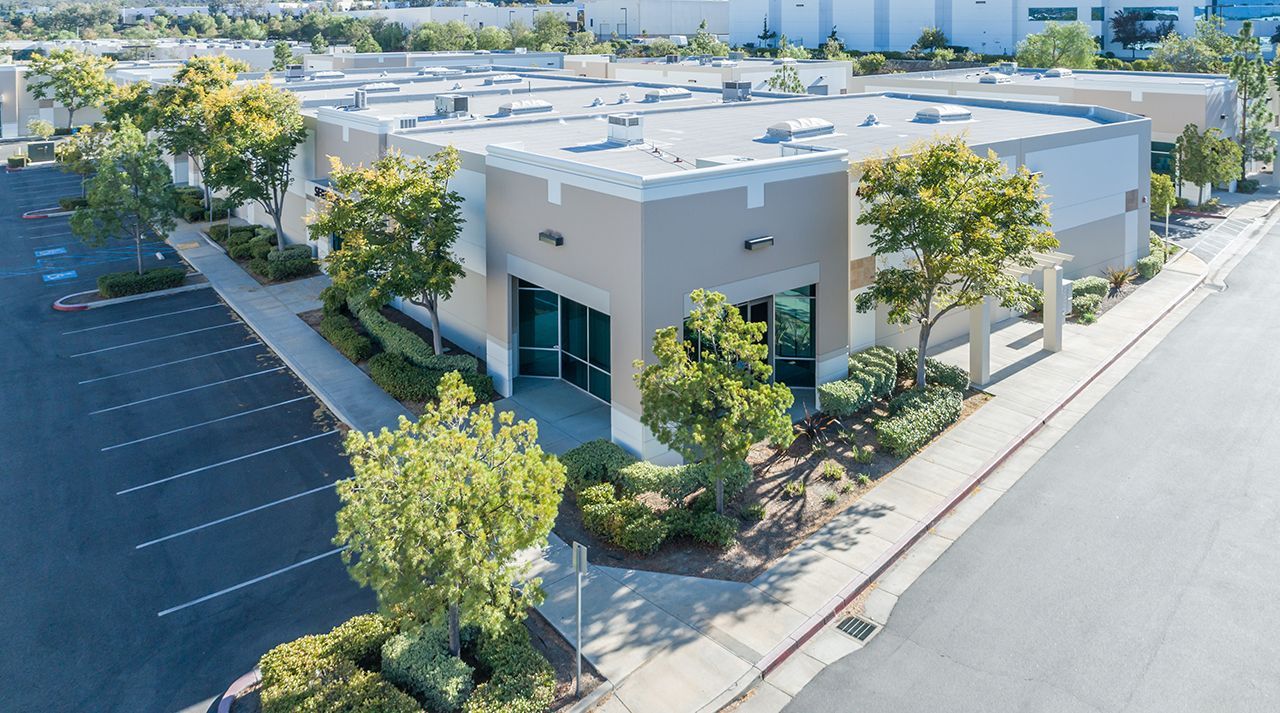

How to Read an Office Lease Before Signing Anything
Signing a commercial office lease is not like signing an apartment lease. You are entering a legally binding contract that could span five to ten years, carry millions of dollars in total obligation, and contain provisions that are nearly impossible to undo once ink hits paper.
However, most office tenants — even experienced executives — have never been taught how to read a lease. They hand it to a lawyer, hope for the best, and sign on the dotted line without fully understanding what they've agreed to.
This post won't make you a real estate attorney. But it will give you the knowledge base to be able to read a lease with your eyes open, ask the right questions, and know exactly what the risks are.

Start With the Basic Deal Terms
Before you read a single paragraph of lease language, locate the summary page. Most commercial leases open with a "Basic Lease Information" or "Summary of Terms" section that spells out the fundamental economics.
Review these first:
- Commencement Date and Expiration Date — When does your obligation begin, and when does it end? Make sure the commencement date is clear, whether it’s a fixed date or it’s contingent on something else, like the completion of your build-out.
- Base Rent and Rent Schedule — What is your monthly rent, and when does it increase? Annual rent escalations in office leases are typically 2.5% to 3.5% per year, though this is negotiable. Map out what you'll be paying in year three, year five, and year ten. The number is often much higher than tenants expect when they're focused only on the starting rate.
- Usable vs. Rentable Square Footage — This one catches people off guard. Your lease will quote a rentable square footage, which includes a proportionate share of common areas: lobbies, hallways, restrooms, mechanical rooms. The load factor — sometimes called the loss factor — is the difference between what you're paying for and what you actually use. A 10,000 rentable square foot office might only be 8,500 usable square feet. Know what you're actually getting.
The Tenant Improvement Allowance
The TI allowance is one of the most negotiable and most misunderstood provisions in an office lease. It's the dollar amount the landlord agrees to contribute toward building out your space — new walls, flooring, ceilings, HVAC upgrades, electrical, etc.
Key things to understand: the TI allowance is almost always quoted as a per-square-foot figure. A $50/SF allowance on 5,000 SF is $250,000 toward your build-out. That sounds generous until you understand that modern office construction costs frequently run $80 to $150 per square foot or more depending on your market and finish level. Knowing the gap between your allowance and your actual build-out cost is essential to your total occupancy budget.
Also pay attention to these factors:
- how TI funds are disbursed (lump sum vs. reimbursement)
- the deadline by which funds must be spent
- whether unused TI can be taken as a rent credit.
These details are negotiable, and they matter.
Operating Expenses and CAM Charges
In most office leases — particularly modified gross and net leases — you will pay a share of the building's operating expenses above a base year amount. These are often called expense pass-throughs, or CAM (Common Area Maintenance) charges.
The base year concept works like this: the landlord establishes a baseline of operating expenses for a specific year. In future years, your share of any expense increases above that baseline gets passed through to you. A building with rising insurance, taxes, or utility costs will pass those increases along to tenants.
Watch for:
- gross-up provisions (landlords can adjust expenses to reflect full occupancy even if the building isn't full)
- controllable vs. uncontrollable expense caps
- exclusions from operating expenses (capital improvements, management fees above a certain percentage, and leasing commissions should generally be excluded).
Holdover Provisions
What happens if your lease expires and you haven't moved out or signed a renewal yet? The holdover clause tells you — and it's almost always painful.
Most office leases include a holdover penalty of 125% to 150% of your final month's rent for every month you stay past expiration without a new agreement. Some go higher. This provision is designed to incentivize you to make a decision, and it does its job. Plan your renewal or relocation timeline to never trigger it.
Options:
Renewal, Expansion, and Termination
Many tenants assume that because an option exists in their lease, they're protected. Read the fine print carefully.
Renewal options specify what rent you'll pay during a renewal term. "Fair market value" renewal options sound reasonable but give you very little certainty. Negotiating a capped or formula-based renewal rent gives you more predictability.
Expansion options give you the right to lease additional space if and when it becomes available. But "right of first offer" and "right of first refusal" are not the same thing — one requires the landlord to come to you first, the other only kicks in after another deal is in progress. Know which one you have.
Termination options — the right to exit early — are valuable and harder to get in strong markets. If you can secure one, understand:
- the penalty (typically six to twelve months of unamortized TI and free rent)
- the required notice period
- the exact window during which it can be exercised.
The Assignment and Subletting Clause
What happens if your business changes? If you're acquired, if you want to sublease part of your space, or if you need to bring in a subtenant — the assignment and subletting clause governs all of it, and landlord consent is almost always required.
Look for:
- how broadly "assignment" is defined (some leases treat corporate restructuring as an assignment)
- whether the landlord can recapture your space if you request subletting rights
- whether profits from a sublease must be shared with the landlord.
These provisions can significantly affect your flexibility.
Last Notes Before You Sign
- Don't sign a lease without having it reviewed by a real estate attorney who works on the tenant side.
- Don't sign on a timeline the landlord is artificially creating.
- And don't sign without understanding every provision covered here.
A lease that looks like a good deal on the rent line can be a terrible deal overall once you account for operating expenses, build-out gaps, and inflexible exit provisions.
Know what you're signing!
Questions about a specific lease clause?
We're happy to walk through it with you before you commit.